No, because luxury fashion has become a contradiction.
‘Luxury fashion.’ It’s a term that sparks confusion for anyone who ponders its meaning for more than a minute. The term “luxury” has an association of permanence, timelessness, heritage and generational value. Whereas “fashion” is, by definition, ephemeral.
Fashion today is synonymous with short-lived trends. Google’s ‘similar word suggestions’ — “craze” “rage” and “mania” accurately describe the state in which the luxury fashion industry is in. And since the advent of the Covid-19 pandemic, the situation has only become more dire.
The pandemic has put intense pressure on an industry that was already showing signs of fraying, from unsustainable levels of pollution and waste to the exploitation of international garment workers and a growing list of additional problems like racial and gender equality. But it wasn’t always this way. And there may be a chance for redemption.
How fast-fashion ruined the luxury fashion business
Many top luxury fashion houses emerged in the 1800s after the First World War. At the time of their inception, brands like Hermès, Chanel, Lanvin and Louis Vuitton were the furthest thing from being mass-market produced. Their labels were equated with fine workmanship and enduring quality, and that’s where the bulk of their brand equity still draws from today.
In the 1800s these luxury brands embodied qualities that actually resemble the rallying call of many sustainable fashion brands today:
+ Produced in small quantities: often, clothes were specially made to order.
+ Produced with highly-skilled, high-paid labour: having especially skilled labour was a marker of quality and craftsmanship.
+ Built to withstand the test of time: many garments were passed down through generations and cherished through multiple wears.
But when fast-fashion entered the market at the turn of the century, it offered cheap knock-off versions of expensive designer styles. Brands like H&M and Zara were downright accused of plagiarism and looked down upon by the designer elite which they emulated. Yet after years of steadily chipping away market-share, it became clear to designers that fast-fashion could no longer be ignored.
In a plot twist that can only be described as Shakespearean, luxury fashion today has come to resemble the very thing it considered its antithesis for decades.
“The business that began 150 years ago as haute couture, and which was later reborn as ready-to-wear, has been remade to deliver luxury fast fashion for the masses.” — Liroy Choufan, in a recent Op-Ed for Business of Fashion
How luxury fashion has started to look a lot like fast-fashion
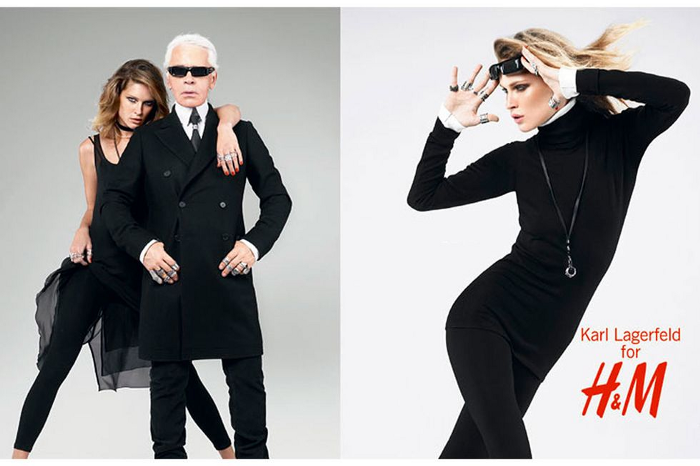
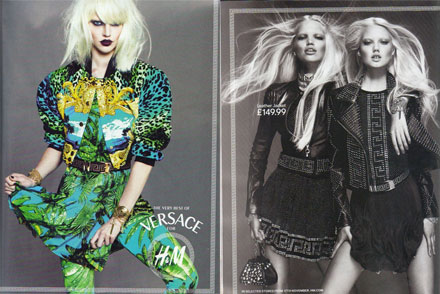
+ High-low collaborations: partnerships between luxury designers and fast-fashion brands started with Karl Lagerfield’s H&M collaboration in 2004 and went on to spur a movement of designer brands collaborating with fast-fashion houses. This movement included brands like Stella McCartney, Roberto Cavalli, Jimmy Choo, Lanvin, Versace, Balmain, and many more since. These partnerships have inevitably brought these brands into the fast-fashion fold encouraging them to target the masses with their styles.
+ Using inexpensive international labour: with pressures to produce more for less and improve profitability, many brands have shifted to offshore production to reduce their cost of goods sold. Multiple luxury brands including Prada, Dolce and Gabbana and Hugo Boss have been highlighted by the Clean Clothes Campaign for having poverty-level wages as well as unsafe working conditions for their international garment workers.
+ A shift from two fashion seasons a year to 52 micro-seasons: from having two seasons a year (Spring/Summer and Fall/Winter) to monthly, and sometimes weekly, product drops has put increased pressure for designers to produce designs in time, often sacrificing quality in favour of cheaper materials that can be made quickly. This has also led to increased waste and pollution throughout the entire value chain, with brands resorting to incinerating over-stock to ensure a perception of scarcity and protect their brands from over-discounting.
While luxury brands have steadily moved away from their more sustainable business practices in favour of mass-production, they’ve been met with an insatiable demand from consumers. Most consumers, still blissfully unaware of the impact of their buying decisions, continue to tacitly support the industry’s waste and labour practices.
And here’s the thing that many consumers don’t realize — they hold all the cards and influence to change the trajectory of where the future of fashion is headed.
In 2018, when Burberry revealed it destroyed millions of dollars of unsold merchandise every year to preserve its reputation of exclusivity, consumers met the news with a global outcry to boycott the brand. And the outcry worked! Burberry quickly announced it wouldn’t destroy its excess product immediately following the controversy.
Beyond protesting, here is one simple way for all of us to start our path to a more sustainable and stylish future.
Buy less stuff
The most impactful way to change the course of luxury fashion and influence companies to produce less is to buy less. A lot less.
A great alternative to enjoying luxury without endorsing the mass production of brands today is to rent clothes you know you’ll only wear once or twice.
By booking or renting dresses that you would normally only wear a few times, you end up having complete fashion freedom to have a new wardrobe, you’re rescuing items that would otherwise end up in landfills, and you’re encouraging your favourite brands to produce less and focus more on quality and small-batch production.
Commit to better style this holiday season
It’s time for luxury fashion to return to its more sustainable roots and the only way that will happen is if consumers take action. This holiday season, opt to buy less of what you don’t need and rent your memorable holiday looks for your intimate (Covid-19 compliant!) gatherings instead.
Luxury ‘fashion’ doesn’t need to remain a contradiction. Our understanding of terms like ‘fashion’ can change, and the power is with you to make that happen.